01
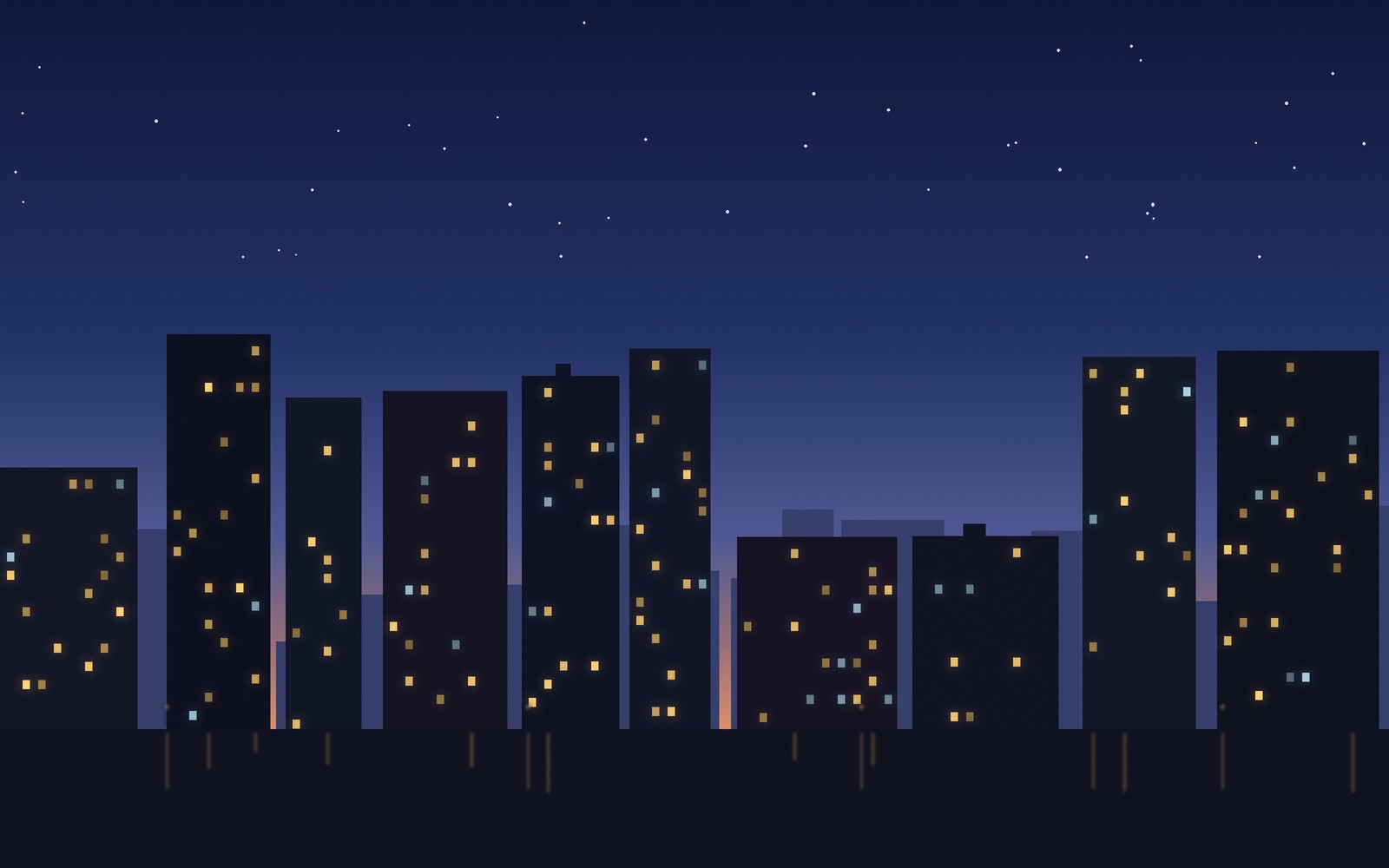
Blue Hour Arrivals: Photographing a New City on the Night You Land
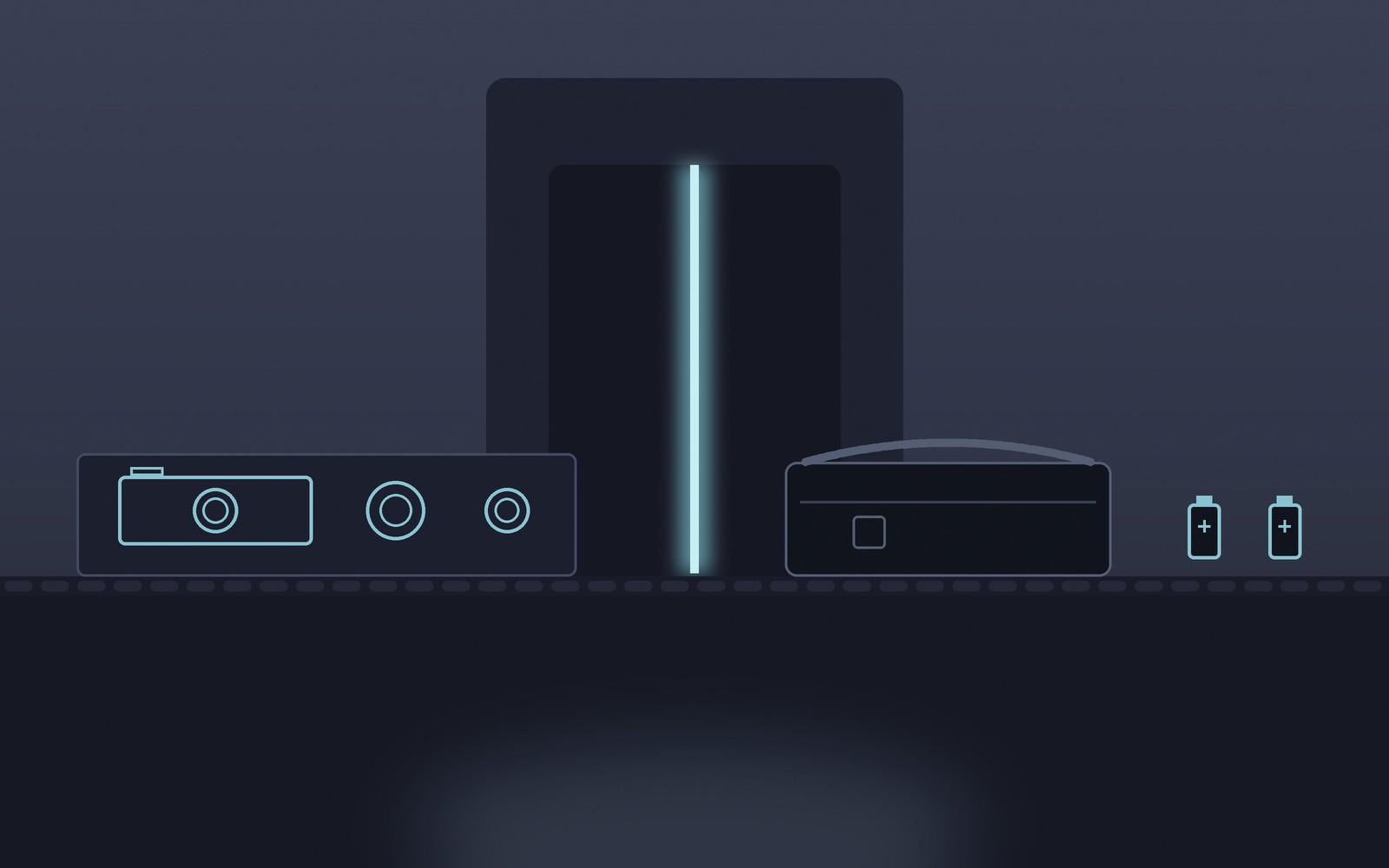
An evening flight into a strange city is a gift most photographers sleep through.
An independent photography journal
I am June “Goose” Aldaco, a travel photographer in Albuquerque, New Mexico. This journal is where I write the craft down: how to shoot through an airplane window, which seat the light will visit, and what dawn does over water when ten thousand geese decide to leave at once.
Ten essays so far, in two sections: Aloft, on making photographs in the air, and Afield, on making them once you land. Each ends with a field note you can carry.
An evening flight into a strange city is a gift most photographers sleep through.
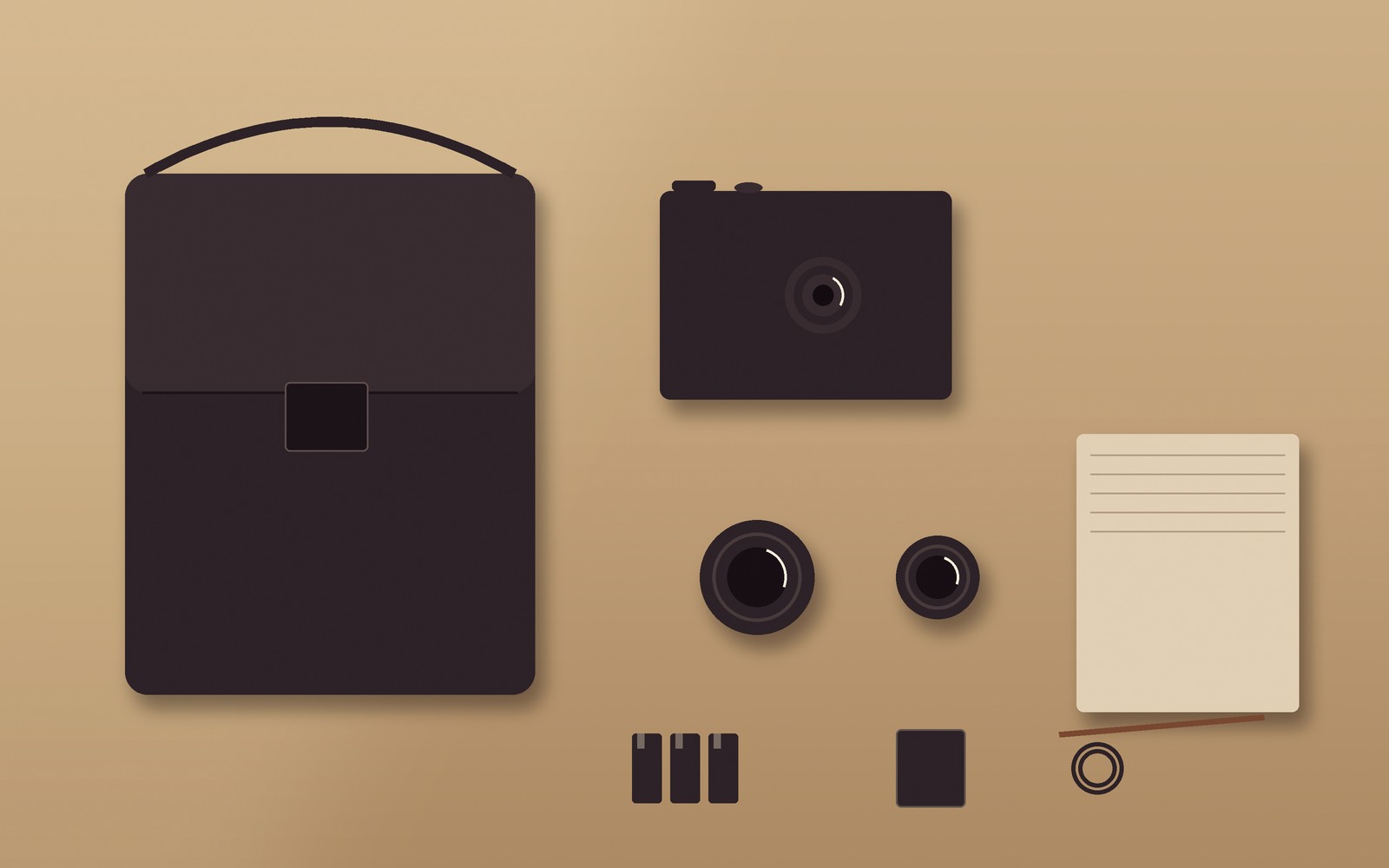
After years of packing for imaginary photographs, I now travel for a week out of one small bag: a body, two lenses, and a charging kit that fits in a fist.
A camera survives a flight the same way a photograph survives editing: by deciding early what actually needs to be there.
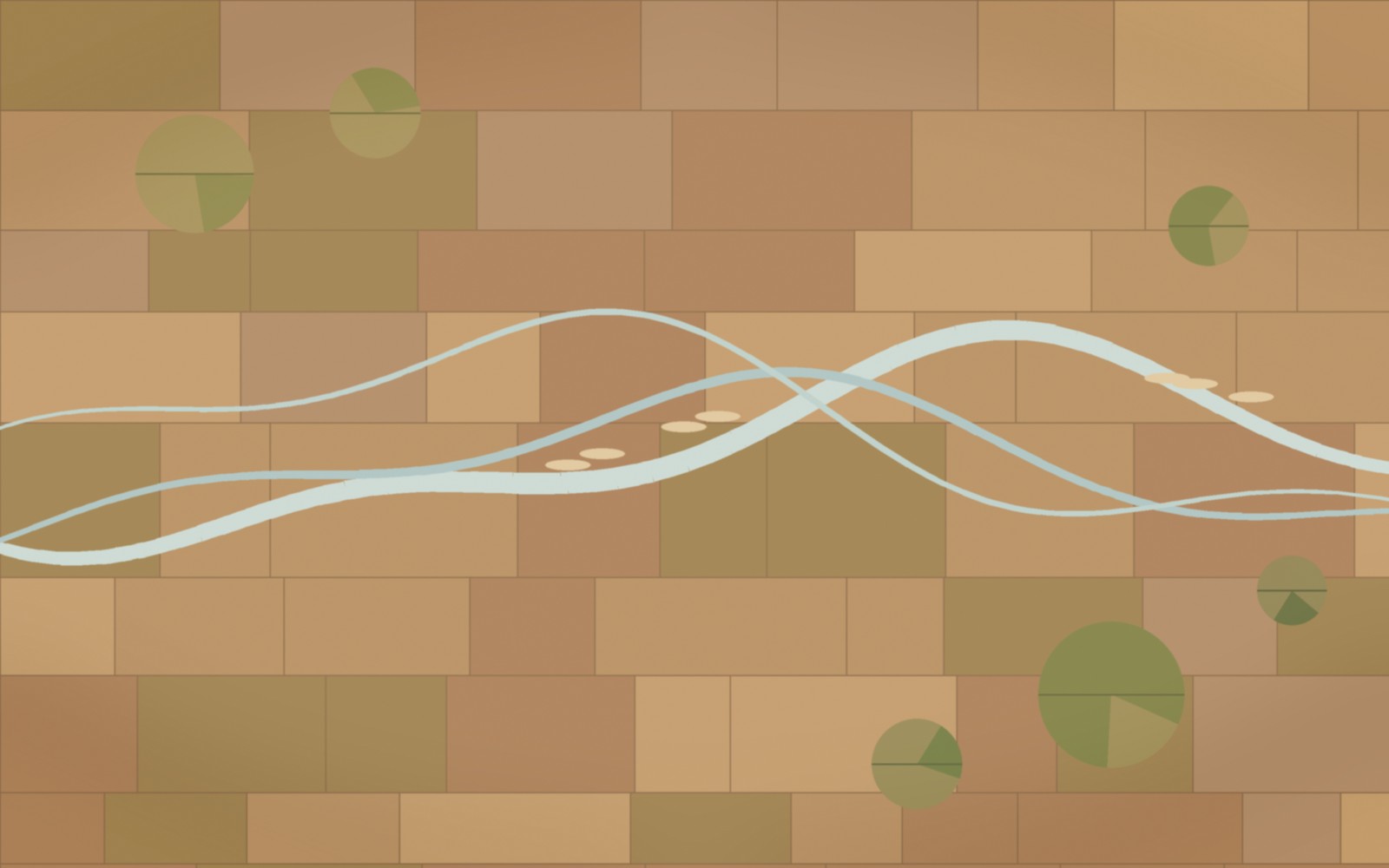
From 35,000 feet the ground stops being scenery and becomes composition - braided rivers, irrigation circles, salt flats, mountain shadow.
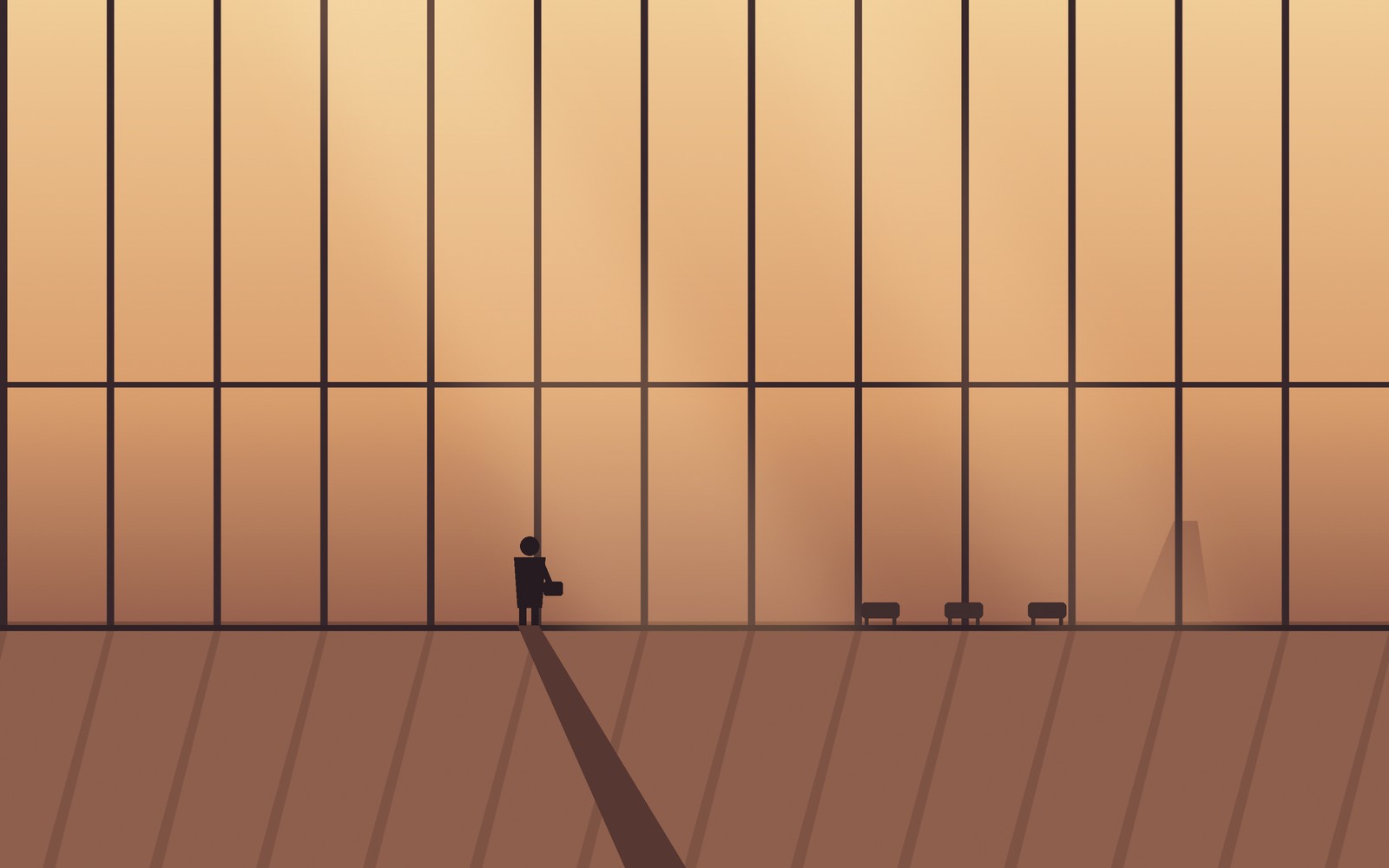
A layover is not dead time; it is hours inside one of the largest light modifiers ever built.
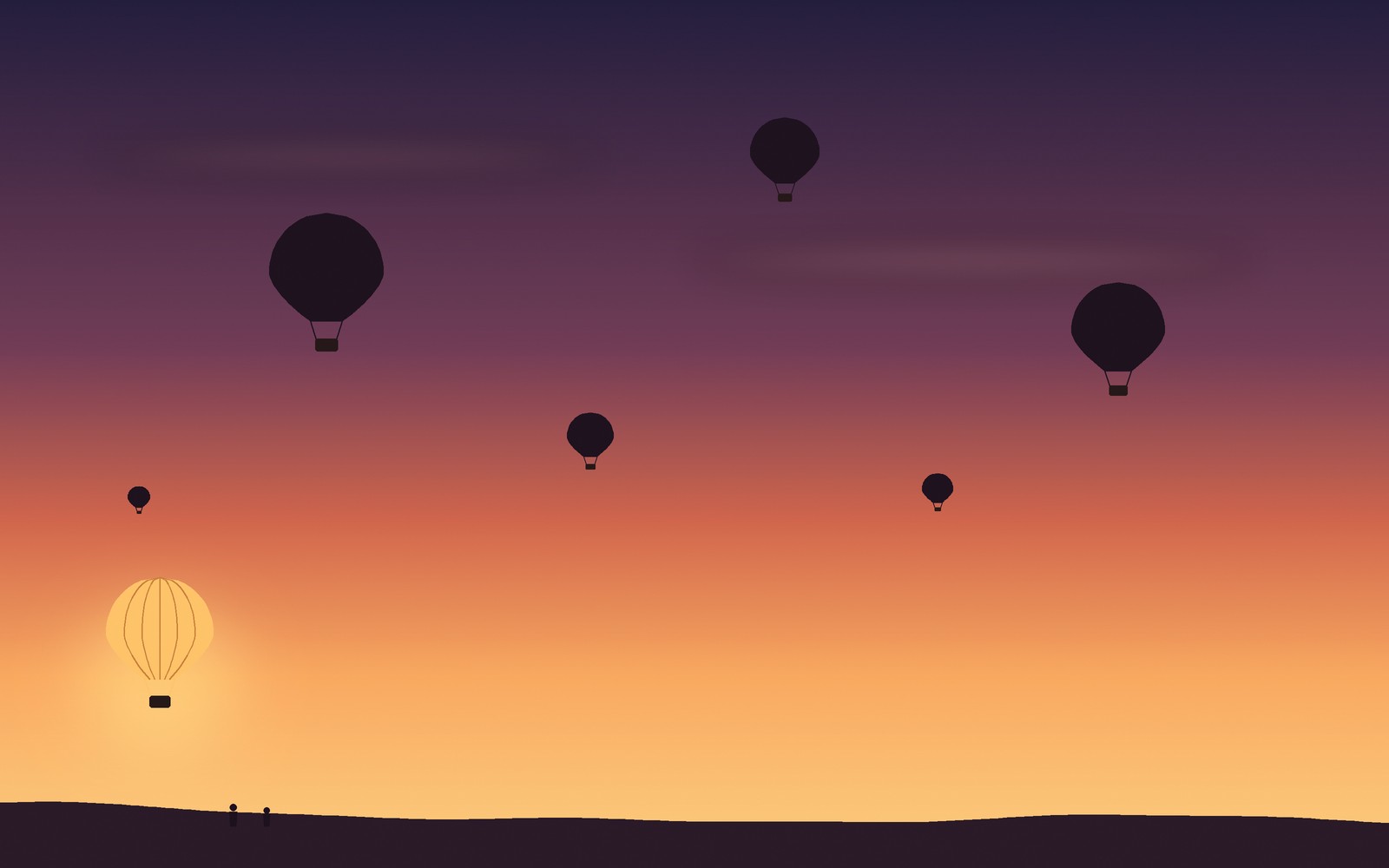
Every October my city fills with balloons, and every October I relearn the same lesson: the picture happens before sunrise, not after.
Which side of the airplane you sit on decides whether you spend the flight photographing glare or light.
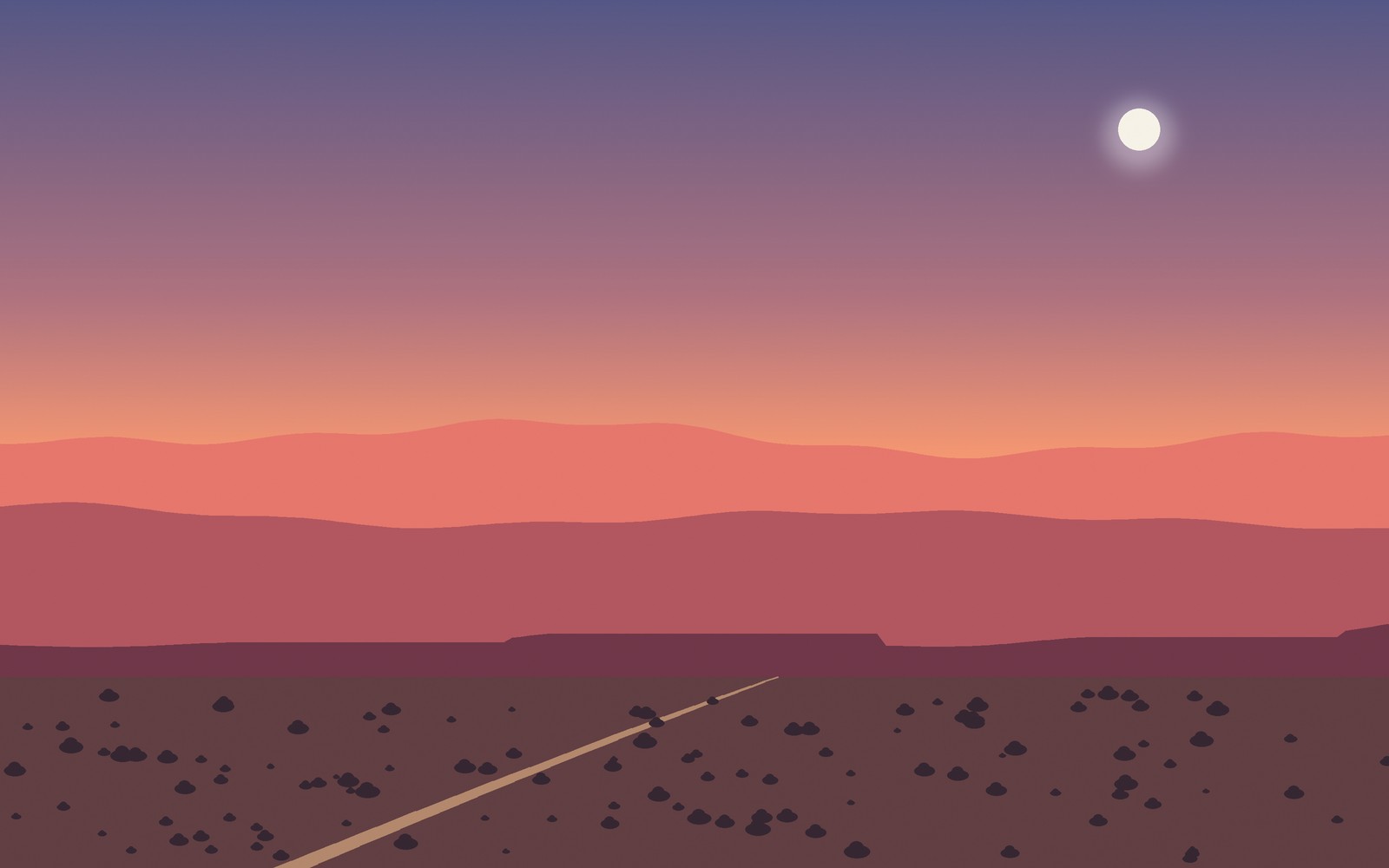
At a mile of elevation, New Mexico's air is thin, dry, and mostly empty, and the light behaves accordingly.
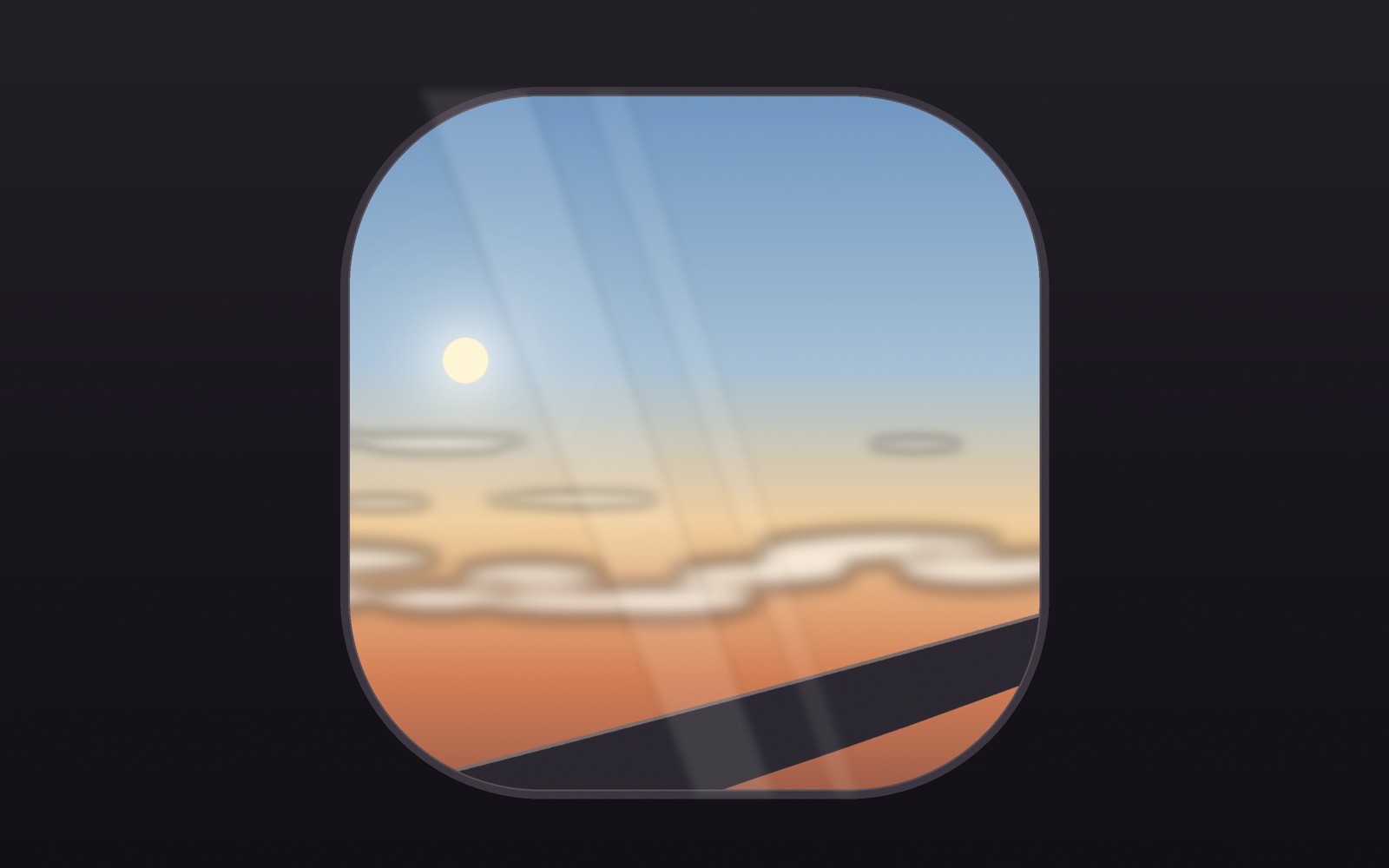
The cabin window is the one lens element you never get to choose.
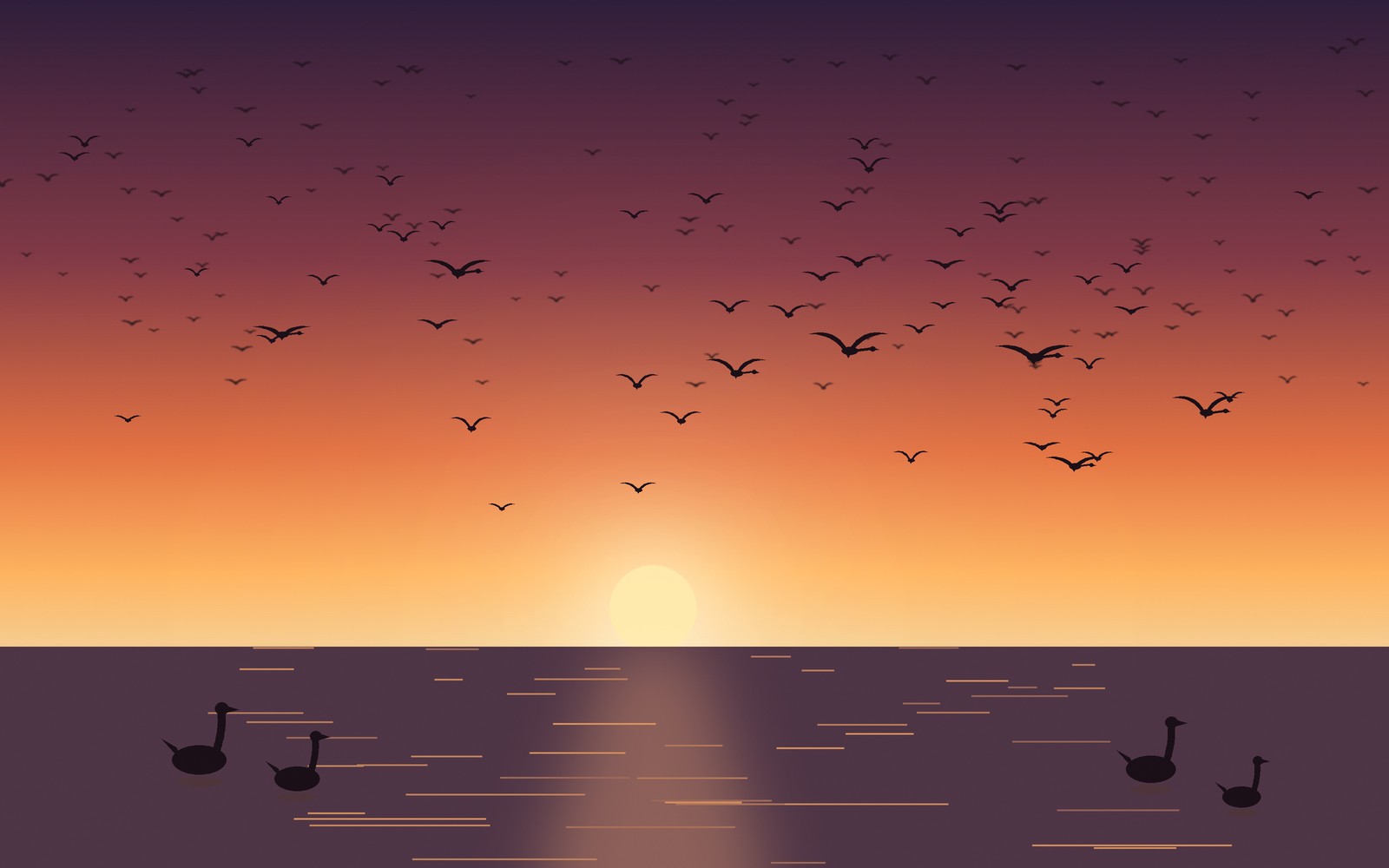
Every winter I drive an hour south of Albuquerque in the dark to stand on a frozen deck and wait for the snow geese to leave the water.
Making photographs in the air: cabin windows and the physics of shooting through them, picking a seat for the light, airports as subjects, and the earth as abstract art from cruising altitude.
Working on the ground: dawn shoots in the bosque, high-desert light, balloon mornings, one-bag camera kits, and the first night in an unfamiliar city.
There is no right order. Every essay is written to stand on its own, so you can begin with whatever situation you are about to walk into: a night flight, a dawn in the cold, a week away with one bag. If you would rather have a path, the two sections above are the map. Aloft is for the parts of a trip most people sleep through, the seat and the window and the long hours in a terminal. Afield is for the ground, the arrival and the waiting and the local light.
Each piece ends the same way, with a short field note: three or four lines you could read on the jet bridge and still put to use. If you take nothing else from a given essay, take the field note. It is the version I would tell you if we had only a minute before you boarded.
The writing assumes you already own a camera, and that it is enough. Where I describe equipment I keep it generic on purpose, because the methods here are about light, timing, and attention, not about hardware you have to go and buy. Everything works on a modest mirrorless body, an old film camera, or the phone in your pocket. The constraint is never the tool. It is whether you were awake and in position when the light arrived.
If ten essays could be reduced to one habit, it would be this: decide where the light will be, put yourself in front of it early, and wait. I learned it an hour south of here, at a wildlife refuge where tens of thousands of snow geese spend the winter. You cannot chase them. The only way to photograph the dawn lift-off is to work out the night before where the birds and the first light will meet, arrive in the dark, sit down in the cold, and be ready when the whole pond leaves at once. Miss it by two minutes and you have a memory instead of a frame.
Everything else in these pages is a variation on that wager. A window seat is the same bet, placed at booking, that the light will come to your side of the aircraft. A blue-hour arrival is the same bet, placed the moment you land, that the first strange hour of a city is worth more than a nap. Patience is not a mood here; it is a method, and it can be learned. That is the good news the journal keeps returning to: the pictures most people assume require luck usually just require being awake, in position, a little early, and willing to be cold or bored for a while.
This is an independent editorial publication about the craft of travel photography, written and illustrated by one person and published by Traveling Goose Photography LLC from Albuquerque, New Mexico. It teaches method. It does not sell anything: no tours, no workshops, no presets, no prints through this site, and no gear. It takes no bookings and brokers no travel, and it has no relationship with any airline, airport, booking platform, or camera maker, which is exactly why you will not find one named anywhere in these pages.
That independence is the point. A journal about seeing has to be free to say what it sees, and the simplest way to keep it honest is to have nothing to sell you and no one paying for a mention. If that ever changes, the change will be written down plainly, in advance, on the How we work page, before it takes effect. You can read the fuller version of who stands behind the journal on the about page, and the plain business facts on the company page.
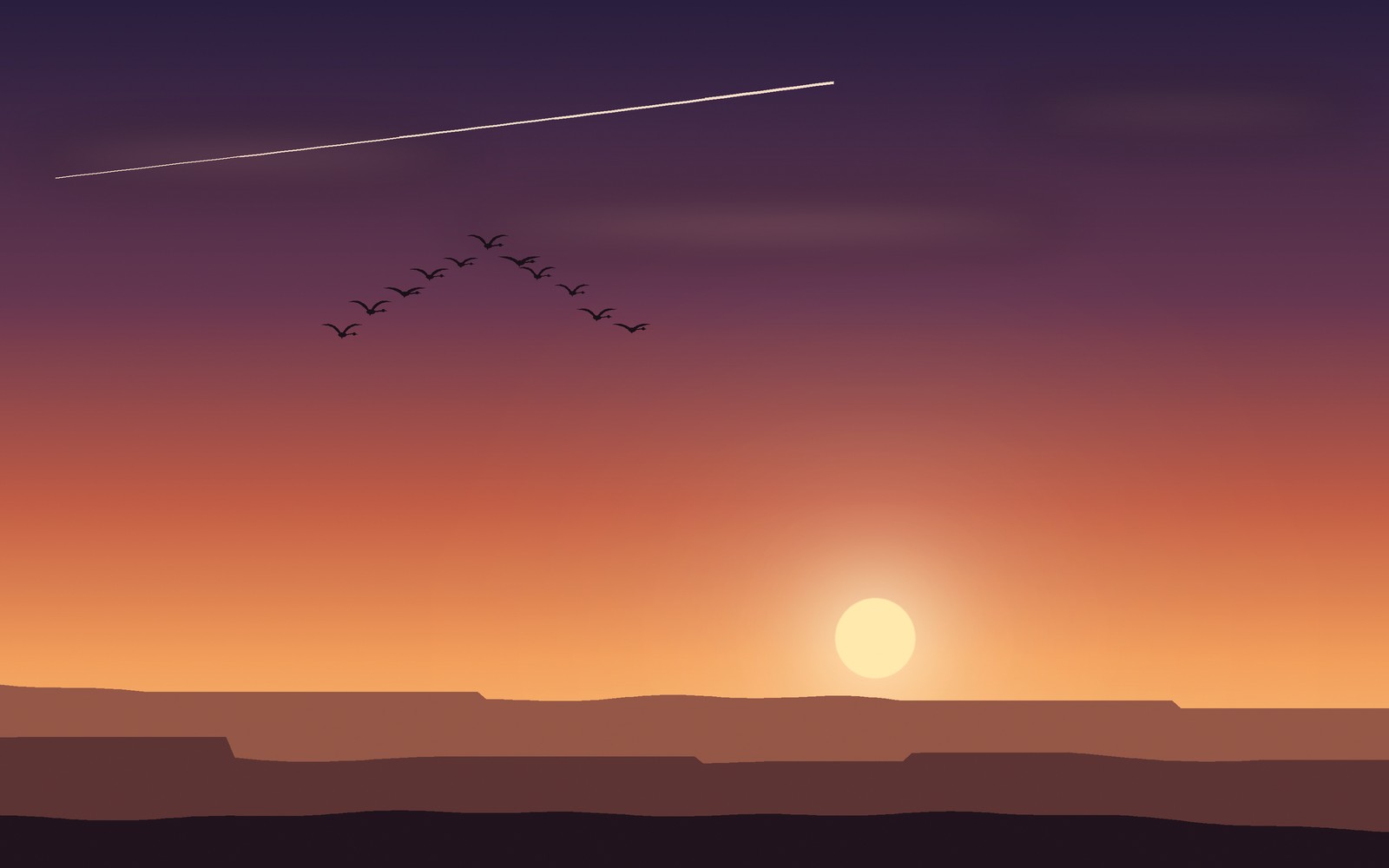
The plates that head the essays are original illustrations, drawn for this journal and owned by it. They depict the situations the writing describes, and they are not photographs of any identifiable company, aircraft, product, or person. Keeping the artwork in-house is what lets the site stay fast, uniform, and unmistakably its own. Everything you see here was made for these pages, and it stays here.
New essays are added a few at a time, when a technique has been tested enough that it is worth writing down rather than merely tried once. This is the first volume, ten pieces deep, and it will grow the same slow way the pictures do. There is nothing to subscribe to and no schedule to keep up with; the contents list above is always the complete, current table of what has been published, and you can simply return to it whenever you like.
If you just want to make better pictures on your next trip, skip all of that and start reading. The light is not going to wait, and neither should you.