Afield · January 21, 2026
Dawn With Ten Thousand Geese: The Morning That Named This Journal
Every winter I drive an hour south of Albuquerque in the dark to stand on a frozen deck and wait for the snow geese to leave the water. This is where the nickname came from, and where most of what I know about patience was learned.
 By June “Goose” Aldaco · 6 min read
An hour south of Albuquerque, where the Rio Grande slows down and spreads into a braid of ponds and cottonwood bosque, there is a wildlife refuge called Bosque del Apache. Every winter, tens of thousands of snow geese and sandhill cranes come down from the north and spend the cold months in its flooded fields. And every winter, for five autumns running now, I have gotten up at an hour I resent, driven south in the dark, and stood on a wooden deck waiting for the sun and the geese to make their arrangement.
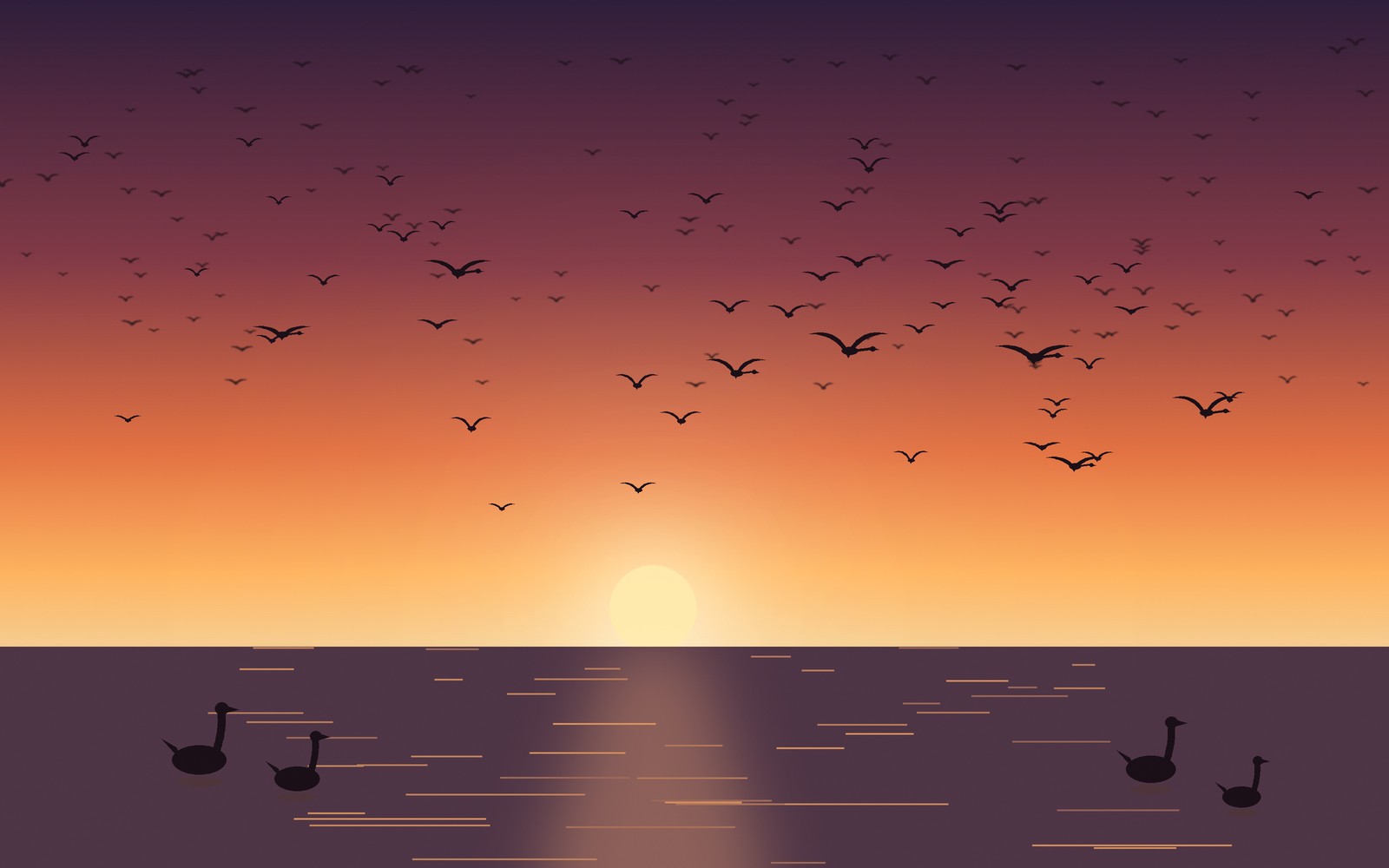
The geese roost on the water overnight because the water is safe. At first light, more or less all at once, they leave. People call it the blast-off, and the name is not an exaggeration. One moment there is a white raft of birds on black water. The next moment the raft is airborne - thousands of wings at once, a sound like a wave breaking in your chest - and the sky over the pond is solid geese for as long as it takes you to forget to breathe.
I want to write down how to photograph it, because it is teachable, and because the parts that aren't teachable are worth naming too.
Arriving in the dark
You have to be there before the light is. In January that means leaving Albuquerque around five, coffee in the cupholder, frost on the inside of the windshield until the heater wins. Dawn temperatures on the refuge run somewhere between the teens and the twenties most mornings; I have stood on the flight deck at eleven degrees and considered my life choices.
The dark hour is not wasted time. It's when you choose your spot - where the birds are rafted, where the light will come from, where the wind is, because geese take off into the wind and you want them lifting toward you or across you, not away. It's when you set the tripod, level the head, and get your gloves system sorted: a thin liner glove that can work a dial, a heavy mitt over it that comes off at the decisive moments.
Exposure before the light comes
Here is the discipline that separates a usable dawn from a noisy one: build your exposure while it's still dark, and keep rebuilding it every few minutes, because pre-dawn light changes faster than any light you'll meet at noon.
Half an hour before sunrise I'm shooting at ISO settings I'd never confess to in daylight - 6400, sometimes higher - because the alternative is shutter speeds that turn every bird into a smear I didn't choose. I expose for the sky, let the water and the birds fall into silhouette, and check the histogram, not the screen; the screen lies in the dark, glowing brighter than the scene it represents. As the light builds, I walk the ISO down in thirds, trading noise for cleanliness the moment the sky can pay for it. By sunrise I want to be at something respectable without having missed anything on the way there.
The blast-off: 1/2000 or 1/30, and nothing in between
The blast-off itself lasts perhaps ten seconds, and it forces the one creative decision that matters, which you must make in advance because there is no time to make it during.
Option one: freeze it. Shutter at 1/2000, aperture open, ISO wherever it has to be. Every wing sharp, every bird an individual, the chaos legible. This is the documentary choice and it is the right one your first year, because you will want proof.
Option two: let it blur. Shutter down at 1/30, camera steady on the tripod or panned gently with the mass, and the flock renders as weather - a white storm with a few sharp heads where birds happened to hold still against the motion. This is the harder photograph and the one I go back for now. It fails most of the time. When it works, it looks the way the moment feels, which the frozen version never quite does.
Pick one. Set it. Then put your eye to the finder and wait for the sound.
Sound is the cue
The geese tell you they're leaving before they leave. The murmur of the raft - a low conversational rattle that's been running all night - rises in pitch and density maybe ten or twenty seconds before the lift. It tightens. If you've been out enough mornings, you feel it change the way you feel a kettle about to boil. Often a bald eagle crossing the pond is what lights the fuse; the geese see it long before you do.
When the sound climbs, get your finger on the shutter and stop reviewing images. Everyone who misses the blast-off misses it looking at the back of their camera.
Cold is the other opponent. Batteries surrender early in the cold - a battery reading half-full at eleven degrees may be nearly done. Spares live inside my coat, against body heat, and I rotate them: warm one in, cold one back in the inner pocket to recover. A recovered battery will give you more; a battery left in an outer bag pocket will give you nothing when the sky fills.
The ethics of the deck
None of this justifies pressuring the birds. The refuge gives photographers decks, pullouts, and a loop road, and the birds have decided, over decades, that people who stay on those are furniture. The arrangement holds only as long as we hold it. You never walk toward a raft. You never make noise to "get them up." A flushed flock burns calories it needs for a winter and a migration, and a photograph taken that way is a record of harm with good light on it. The blast-off will happen without you causing it. That is the entire deal.
Why "Goose"
I go back every year because no two mornings resolve the same - the fog, the eagle, the direction of the wind - and because there is nowhere else where my craft feels so plainly like waiting done well. Somewhere in the third autumn, a friend who had been dragged along at five a.m. once too often started calling me Goose, on the theory that anyone who returns to the same frozen pond that faithfully has joined the flock. The name stuck harder than the photographs did. So the journal is Traveling Goose, and every January it earns the name again, an hour south of home, in the dark, listening.
Source notes
Facts in this essay were checked against the following public resources (search the titles to find them):
- U.S. Fish & Wildlife Service, "Bosque del Apache National Wildlife Refuge"
- National Weather Service, "Albuquerque, NM Forecast Office"