Aloft · April 1, 2026
The Light in Airports: A Layover Spent Looking
A layover is not dead time; it is hours inside one of the largest light modifiers ever built. How I photograph terminals - the glass, the shadows, the strangers - quietly and within the rules.
 By June “Goose” Aldaco · 5 min read
Somewhere along the way I stopped resenting layovers. A three-hour connection is three hours inside a building designed, almost accidentally, around light: acres of glass, pale floors polished to a shine, high ceilings that bounce everything soft. Architects built these places to move people; they also built some of the best free studios a photographer will ever stand in. Now I plan for the layover the way I plan for the flight.
A building made of light
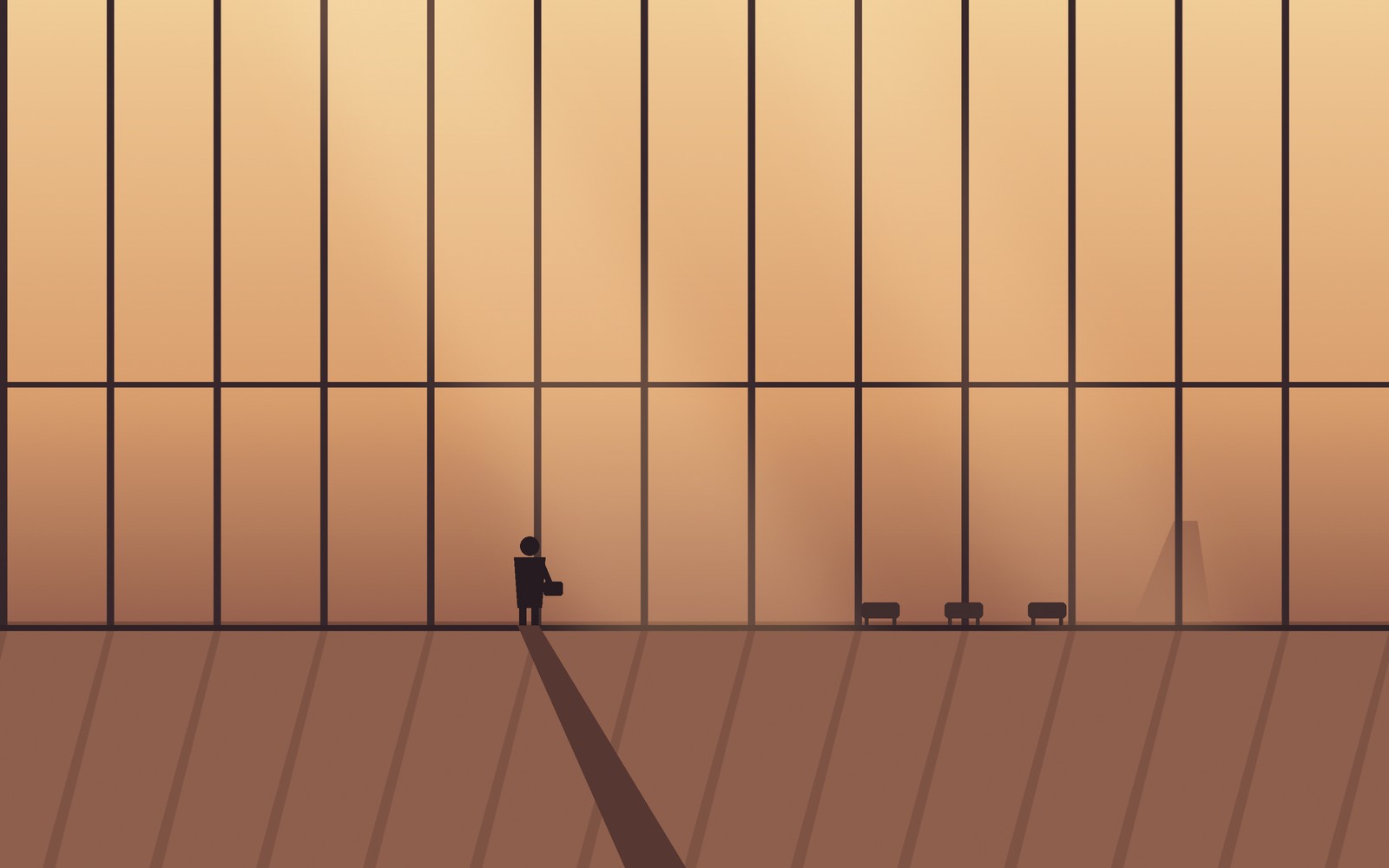
The defining feature of the modern terminal is the glass curtain wall - a facade that is nothing but window, sometimes forty feet tall and a quarter mile long. Photographically, it behaves like a softbox the size of a building. When the sun is off-axis or the sky is overcast, that wall pours in diffuse, directional light that wraps around faces and luggage and rows of empty seats with a gentleness you would pay to rent.
Work the light the way you would in a studio. Put your subject - a waiting traveler, a stack of cases, your own coffee cup if the hour is early enough - between you and the glass for luminous rim light, or turn ninety degrees and let the wall rake across the scene from the side. Watch how the light falls off as you move away from the glass: one stop, two stops, into the warm tungsten interior. That falloff line, where daylight hands the room over to the lamps, is where I find most of my frames.
The early hours
If your connection lands you in a terminal before eight in the morning, you have been given something. Low sun comes through the curtain wall nearly horizontal, and the polished floor - terrazzo, usually, waxed nightly - turns into a slow mirror. Shadows run thirty feet from every pillar and person. Travelers cross the bright stripes like figures in a woodcut, each one towing a long dark twin.
The craft here is patience and position. Find where the light strikes the floor, compose the empty stage - the stripe, the pillar, the gate sign - and wait for a figure to walk into it. This is fishing, not hunting: the frame is built and baited before the subject arrives, and half the skill is standing still while three imperfect figures pass so you are ready for the right one. Expose for the highlights; let the shadows go rich and deep. A frame that looks underexposed on the camera's screen is usually right. The same scene at noon is nothing, which is the quiet lesson of all photography: the place matters less than the hour.
Doubling the world
Glass does a second thing besides transmit: it reflects, and terminals are lousy with it in the best way. Stand at the right angle to a window and the world doubles - an aircraft at the gate superimposed on the concourse crowd, clouds drifting through a departure lounge, a wing laid across a row of sleeping travelers. The polished floor plays the same trick from below.
To make reflections read clearly rather than as mush, look for one strong shape in each layer - a tail fin in the glass, a single figure in the room - and darken the exposure until the layers separate. Move your feet more than your zoom; reflection compositions live and die by inches of viewpoint. This is also where the shape of the jet bridge earns its keep: that dim glass-and-metal corridor, with the bright aircraft at the far end, backlights every passenger into a clean silhouette. Expose for the daylight outside and the figures fall to black - walking cutouts, luggage and hat brims and all.
Working quietly among strangers
Most of what makes a terminal photograph is people, and photographing strangers carries obligations that do not appear in any regulation. My practice is simple. One small camera, no bag of gear, no lens longer than my hand. I shoot people as shapes in light - silhouettes, distant figures, crowds as texture - rather than close studies of faces, unless something like a conversation happens first. Nobody sleeping, nobody in distress, no children as subjects. If someone notices and seems uneasy, I lower the camera, smile, and delete the frame in front of them if they ask. No photograph is worth making a tired traveler feel hunted.
Then there are the actual rules, which are worth knowing rather than guessing at. In the United States, photography for personal use is generally tolerated in the public areas of terminals - concourses, ticketing halls, gate lounges. The security checkpoint is the exception I treat as absolute: screening areas, the officers working them, and the equipment they use are the one place my camera stays in the bag, whatever the fine print may technically allow. Beyond that, posted signs and staff instructions win, always; airline lounges and shops are private spaces with their own policies; and outside the US, assume nothing - in some countries airports are sensitive sites and photography is genuinely restricted. Ten seconds of looking for signage saves an unpleasant conversation.
The souvenir
My home airport is a modest one, all heavy dark beams and pink stone, with a late-afternoon light through the west glass that turns the whole hall the color of the desert outside. For years I walked through it like everyone else, thinking about the flight. Now it is where I warm up - a few frames of shadow and floor before every trip, the photographic equivalent of stretching.
That is the real argument for photographing airports: not that the pictures are extraordinary, though sometimes they are, but that the practice keeps you looking during hours you had written off. The geese taught me that too. Most of a morning in the blind is nothing happening, and the photographers who do well are the ones still paying attention when it does. A layover is the same. The light does not know it is in an airport. It is just light, and you happen to be standing in it with a camera and time to spare.
Source notes
Facts in this essay were checked against the following public resources (search the titles to find them):
- Transportation Security Administration, "Travel Tips"
- Transportation Security Administration, "Security Screening"